How Oxytocin and Ketamine-Assisted Therapy May Help Heal Attachment Wounds
Many people carry relationship wounds that are difficult to explain with words alone. They may deeply want connection, closeness, and love, yet still feel guarded around others. They may become anxious when someone gets too close, emotionally shut down during conflict, or constantly fear rejection even in caring relationships. For others, there is a lingering sense of loneliness that never fully goes away, no matter how much insight or therapy they have done.
From a nervous system perspective, these patterns are not signs of weakness or brokenness. They are often survival adaptations. When people grow up in environments where love felt inconsistent, emotionally unsafe, overwhelming, unpredictable, or absent, the nervous system learns important lessons about connection. The body may begin to associate vulnerability with danger. Over time, a person can unconsciously organize their entire relational world around protection rather than safety. This is what attachment trauma often looks like.
At Trauma Healing Journeys, we are deeply interested in approaches that help people move beyond simply understanding their trauma intellectually and instead begin experiencing safety emotionally and physically within their nervous system. One area that is beginning to generate growing curiosity is the potential combination of oxytocin with ketamine-assisted psychotherapy (KAP), especially when integrated with nervous system-oriented approaches like Somatic Experiencing®.
While research is still evolving, this combination may offer unique possibilities for helping people soften long-held protective patterns and reconnect with themselves and others in a more compassionate way.
Ketamine-assisted psychotherapy has already shown promise in helping individuals who feel stuck in depression, trauma, emotional rigidity, or chronic self-criticism. Many people describe ketamine experiences as creating more openness, spaciousness, and flexibility inside themselves. Thoughts and emotional patterns that once felt fixed can temporarily loosen. Shame often softens. People may feel less defended and more emotionally available to themselves.
From a somatic and nervous system perspective, this matters deeply.
Trauma often creates chronic physiological protection. Some people live in states of hypervigilance, constantly scanning for danger or rejection. Others shift into emotional shutdown, numbness, collapse, or disconnection from their body altogether. These are not conscious choices. They are nervous system states designed to help someone survive overwhelming experiences.
One of the unique aspects of ketamine-assisted psychotherapy is that it may temporarily reduce some of these rigid survival patterns, creating an opportunity for new emotional experiences to emerge. For some individuals, this may be the first time they experience themselves with less internal pressure, less shame, or less fear.This is where oxytocin becomes an especially interesting topic.
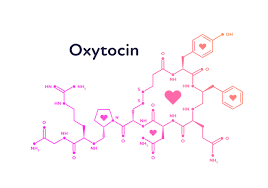
Oxytocin is often referred to as the “bonding hormone” because it is connected to experiences of trust, emotional closeness, attachment, caregiving, and social connection. It is naturally released during moments of safe touch, eye contact, emotional attunement, and nurturing relationships. Researchers have become increasingly interested in how oxytocin may influence feelings of social safety and emotional openness.
When viewed through the lens of attachment healing, the potential combination of oxytocin and ketamine-assisted psychotherapy becomes compelling. Ketamine may help soften rigid defensive structures while oxytocin may help increase feelings of connection, warmth, trust, and emotional safety. Together, they may create a therapeutic window where individuals can experience closeness differently than they have in the past.
For people carrying attachment wounds, this can be profoundly meaningful.
Many trauma survivors have spent years protecting themselves from emotional pain without even realizing it. Their nervous systems may brace against intimacy automatically. Even when part of them longs for connection, another part remains prepared for disappointment, abandonment, criticism, or engulfment. Therapy often becomes difficult not because the person lacks insight, but because their nervous system still perceives vulnerability as unsafe.
Sometimes healing begins when the body experiences something new.
A moment of safety.
A moment of being emotionally met.
A moment of feeling compassion instead of shame.
A moment where connection no longer feels dangerous.
In Somatic Experiencing®, we understand healing not as forcing emotions to come out, but as helping the nervous system gradually rediscover regulation, flexibility, and safety. The goal is not to overwhelm the body with catharsis. It is to create enough safety that the nervous system no longer has to stay trapped in chronic survival responses.
When individuals begin feeling safer internally, remarkable shifts can occur. The body may soften. Breathing changes. Emotional numbness may begin thawing. Some people reconnect with grief they had pushed away for years. Others begin feeling self-compassion for the first time in their lives.
This movement toward self-compassion is often one of the most important parts of healing attachment trauma.
Many people with trauma histories learned to survive through self-criticism, perfectionism, emotional suppression, or hyper-independence. Their inner world becomes organized around control and protection. But healing frequently begins when the nervous system realizes it no longer has to fight itself to stay safe.
As defenses soften, people may begin relating to themselves with greater tenderness and patience. They may discover the ability to stay present with emotion without becoming overwhelmed. They may feel more connected to their body, more capable of intimacy, and more able to receive support from others without shame.
Of course, this work must be approached carefully and ethically.
The use of oxytocin alongside ketamine-assisted psychotherapy is still an emerging area of exploration and is not yet considered standard treatment. More research is needed, and these approaches are not appropriate for everyone. Attachment trauma also requires thoughtful pacing, strong therapeutic boundaries, careful screening, and skilled integration support.
For some individuals, increased emotional openness can initially feel vulnerable or unfamiliar. This is why trauma-informed care matters so deeply. The goal is never to force vulnerability or bypass protective defenses. Those defenses developed for important reasons.
Instead, healing often happens by helping the nervous system slowly discover that connection no longer has to feel dangerous.
Ultimately, many people are not simply suffering from symptoms. They are living with nervous systems shaped by years of emotional pain, disconnection, unpredictability, or survival stress. Real healing often emerges not only through insight, but through new embodied experiences of safety, compassion, and connection.
Ketamine-assisted psychotherapy, Somatic Experiencing, and potentially oxytocin may together help create conditions where those experiences become possible.
Not by forcing transformation.
But by helping the nervous system finally feel safe enough to soften.
Michael Yasinski MD
Reach Out
We are here to support your healing journey with safe and compassionate care, helping you unlock new possibilities for growth and wellness.